What to Expect During a Commercial Foundation Inspection
People seeking what to expect during a commercial foundation inspection can rely on local service providers to assess foundation stability and identify potential issues efficiently.
Understanding what to expect during a commercial foundation inspection can help property owners feel more prepared for this important step in maintaining a building’s integrity. Typically, these inspections involve a thorough evaluation of the foundation's condition, including visual assessments and measurements to identify any signs of settling, cracking, or other structural concerns. Local contractors who specialize in foundation inspections are equipped to perform detailed examinations, offering insights that can prevent costly repairs down the line. Staying informed about the process can empower property owners to make well-informed decisions about their commercial spaces.
For those considering a foundation inspection, knowing what the process entails can also highlight the practical benefits of working with experienced service providers. These professionals often utilize advanced tools and techniques to assess the foundation’s stability accurately, helping owners understand potential issues early. Whether it's routine maintenance or addressing specific concerns, connecting with local experts ensures that the inspection is comprehensive and tailored to the unique needs of each property. Keep reading to learn more about how these inspections work and how local pros can assist in safeguarding commercial investments.
- Commercial building owners - when signs of foundation issues arise, local contractors perform thorough inspections to assess structural integrity.
- Industrial facility managers - during routine evaluations or before major renovations, service providers conduct detailed foundation assessments.
- Retail property operators - if there are uneven floors or wall cracks, local pros evaluate the foundation to identify potential problems.
- Office complex administrators - prior to purchasing or leasing, professionals inspect the foundation to ensure stability and safety.
- Warehouse operators - in cases of shifting or settling, local contractors carry out comprehensive foundation inspections to determine necessary repairs.



When people search for what to expect during a commercial foundation inspection, they are typically seeking information about the process involved in evaluating the stability and integrity of a building’s foundation. This inspection is often requested when a property owner notices signs of potential issues, such as uneven floors, cracks in walls or ceilings, or doors and windows that no longer open properly. Commercial foundation inspections are also a common step during property transactions, renovations, or before major construction projects to ensure the foundation can support planned changes. Understanding what happens during the inspection helps property owners prepare for the assessment and know what to expect from the service providers involved.
These inspections are closely related to identifying problems like settling, shifting, or cracking that can compromise the safety and usability of a commercial property. They may also be part of planning repairs or reinforcement work to prevent future damage. For property owners, it’s important to recognize that foundation issues can stem from various causes, including soil movement, improper drainage, or nearby construction activity. Commercial foundation inspections help diagnose these issues accurately, providing a clear picture of the foundation’s condition. Local service providers who specialize in foundation assessments are equipped to evaluate these concerns thoroughly and recommend appropriate solutions based on their findings.
The types of properties that typically come up during commercial foundation inspections include office buildings, retail centers, warehouses, industrial facilities, and multi-unit residential complexes. These structures often have larger footprints and more complex foundation systems compared to residential properties, which can require more detailed assessments. Inspections may involve visual examinations of accessible areas, as well as more in-depth evaluations such as probing, measuring, or even using specialized equipment to detect hidden issues. Property owners should understand that each property’s foundation system can vary significantly depending on its design, age, and construction methods, making it essential to work with experienced service providers familiar with commercial structures.
During a commercial foundation inspection, property owners can expect a systematic process that includes a visual review of the foundation and surrounding areas, checking for signs of distress like cracks, bulges, or uneven surfaces. Inspectors may also evaluate the building’s framing, interior walls, and flooring for indications of movement or settling. They often use tools to measure shifts or distortions and may recommend further testing if necessary. The goal is to provide a comprehensive assessment of the foundation’s current condition and identify any potential issues that could impact the building’s safety or performance. Engaging with knowledgeable local contractors ensures that the inspection covers all relevant aspects and that any necessary repairs or improvements are based on accurate, detailed information.
Soil Testing Services - soil testing involves analyzing ground conditions, which is essential for understanding foundation stability and is a skill shared with foundation inspections.
Structural Assessment Projects - evaluating building structures for damage or weaknesses requires similar visual inspections and knowledge of load-bearing elements as commercial foundation assessments.
Drainage System Inspections - assessing drainage and water flow around a property helps identify potential foundation issues, making it relevant to foundation inspection planning.
Retaining Wall Evaluations - inspecting retaining walls for stability involves assessing soil pressure and structural integrity, skills applicable to foundation evaluations.
Concrete Repair Assessments - diagnosing cracks and deterioration in concrete structures aligns with identifying foundation problems during inspections.
Site Planning and Surveying - precise site measurements and planning are critical for foundation inspections and are skills used in various land assessment projects.
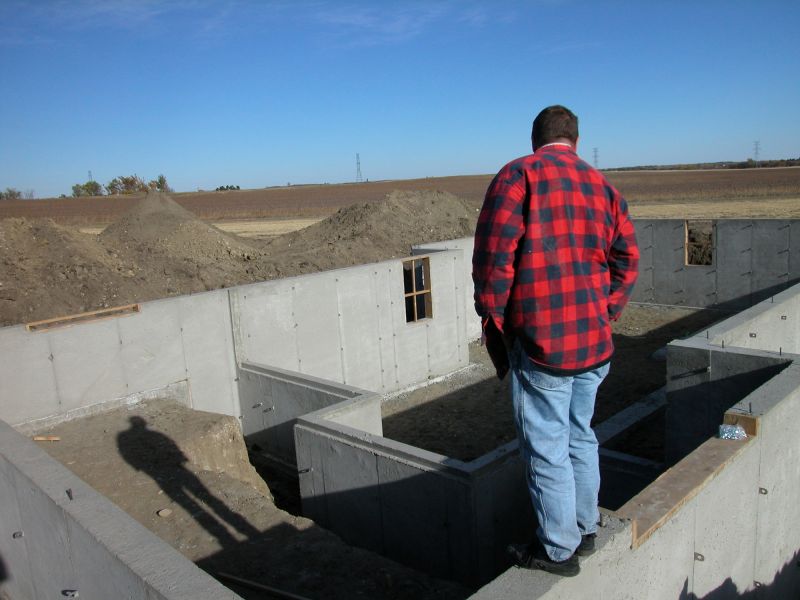
When evaluating commercial foundation inspection services, it’s important to consider the experience of local contractors with similar types of projects. An experienced service provider will have a clear understanding of the common issues that can affect commercial foundations and the best methods for identifying potential problems. This familiarity helps ensure that the inspection is thorough and tailored to the specific needs of the property, providing a more accurate assessment of the foundation’s condition. Homeowners should inquire about the background of potential service providers, focusing on their history with commercial properties similar in size and construction type.
Clear written expectations are essential when choosing a provider for a commercial foundation inspection. A reputable contractor will be able to explain what the inspection will cover, the steps involved, and what the homeowner can expect to receive in terms of a report or findings. This transparency helps prevent misunderstandings and ensures that all parties are aligned on the scope of work. Homeowners should look for service providers who can articulate their process in straightforward terms and provide detailed documentation, which can serve as a useful reference throughout the inspection and any subsequent repairs or assessments.
Good communication and reputable references are key indicators of a reliable service provider. Homeowners should seek out local contractors who are known for clear, timely communication and who can provide references from past clients with similar projects. Contacting references can offer insights into how the contractor handles inspections, how thorough their assessments are, and whether they maintain professionalism throughout the process. A service provider that values open dialogue and has a track record of satisfied clients is more likely to deliver a positive experience during the inspection process, helping homeowners feel confident in the evaluation of their commercial foundation.
Property owners often search for what to expect during a commercial foundation inspection when they are planning practical projects around their homes and businesses. Local pros provide Commercial Foundation Inspection services for everyday jobs and straightforward project options.


During a commercial foundation inspection, property owners can expect a thorough assessment of the building’s structural base. Local contractors typically begin by examining visible signs of foundation issues, such as cracks in walls or floors, uneven flooring, or doors and windows that don’t open or close properly. They may also inspect exterior elements like the foundation’s perimeter, drainage systems, and soil conditions to identify potential causes of foundation problems. This process helps identify any existing concerns and provides a clearer understanding of the foundation’s overall condition, ensuring that property owners are aware of any necessary repairs or preventative measures.
In addition to visual inspections, service providers might use specialized tools to evaluate the stability and integrity of the foundation. For example, they could perform measurements to detect shifts or settling, and assess the moisture levels around the structure that could impact foundation health. Property owners often look up what to expect during a commercial foundation inspection to better understand the process and ensure they’re prepared for the assessment. Connecting with experienced local contractors can provide peace of mind, as they can offer insights into the findings and recommend appropriate next steps to maintain or improve the foundation’s stability.
What areas are examined during a commercial foundation inspection? During a commercial foundation inspection, service providers typically assess the foundation’s structural integrity, look for signs of settling or cracking, evaluate drainage and grading around the building, and check for moisture issues that could affect stability.
How do inspectors identify foundation problems during the inspection? Inspectors look for visible cracks, uneven floors, sticking doors or windows, and other signs of movement. They may also use tools like levels or probes to evaluate the foundation’s condition and identify potential issues that require attention.
What should property owners prepare before a commercial foundation inspection? Property owners should ensure access to all areas of the foundation, clear away debris or obstructions, and provide any relevant building history or previous repair records to help the service providers conduct a thorough assessment.
What types of issues can a commercial foundation inspection reveal? Inspections can uncover problems such as settling or shifting foundations, cracking or bowing walls, water intrusion, and drainage problems that could compromise the stability of the structure if left unaddressed.
What is the role of local contractors during a commercial foundation inspection? Local contractors perform the inspection, visually assess the foundation, identify potential issues, and provide recommendations for repairs or further evaluation to ensure the building’s stability and safety.
Understanding inspection scope - property owners can learn what areas and issues will be examined during a commercial foundation inspection to prepare for the process.
Recognizing potential signs of foundation issues - knowing common indicators like cracks or uneven floors helps owners identify concerns that may need further assessment by local contractors.
Preparing for inspection activities - property owners can coordinate access points and clear the area around the foundation to facilitate a thorough evaluation by service providers.
Learning about inspection reports - understanding how findings are documented helps owners interpret results and plan necessary repairs or maintenance with local pros.
If you are thinking about what to expect during a commercial foundation inspection for a property, this guide is meant to help you understand this topic, the typical project types, and how different options might fit your plans.
When you are ready, you can use the quote form on this page to share a few details about your project. From there, local pros can review the basics and follow up with options that match what you have in mind.